
As 2025 unfolds, digital paid media is at a turning point: consumption habits are splintering, AI is reshaping creative and targeting models, and commerce is merging with content. This article explores five crucial trends to stay competitive.
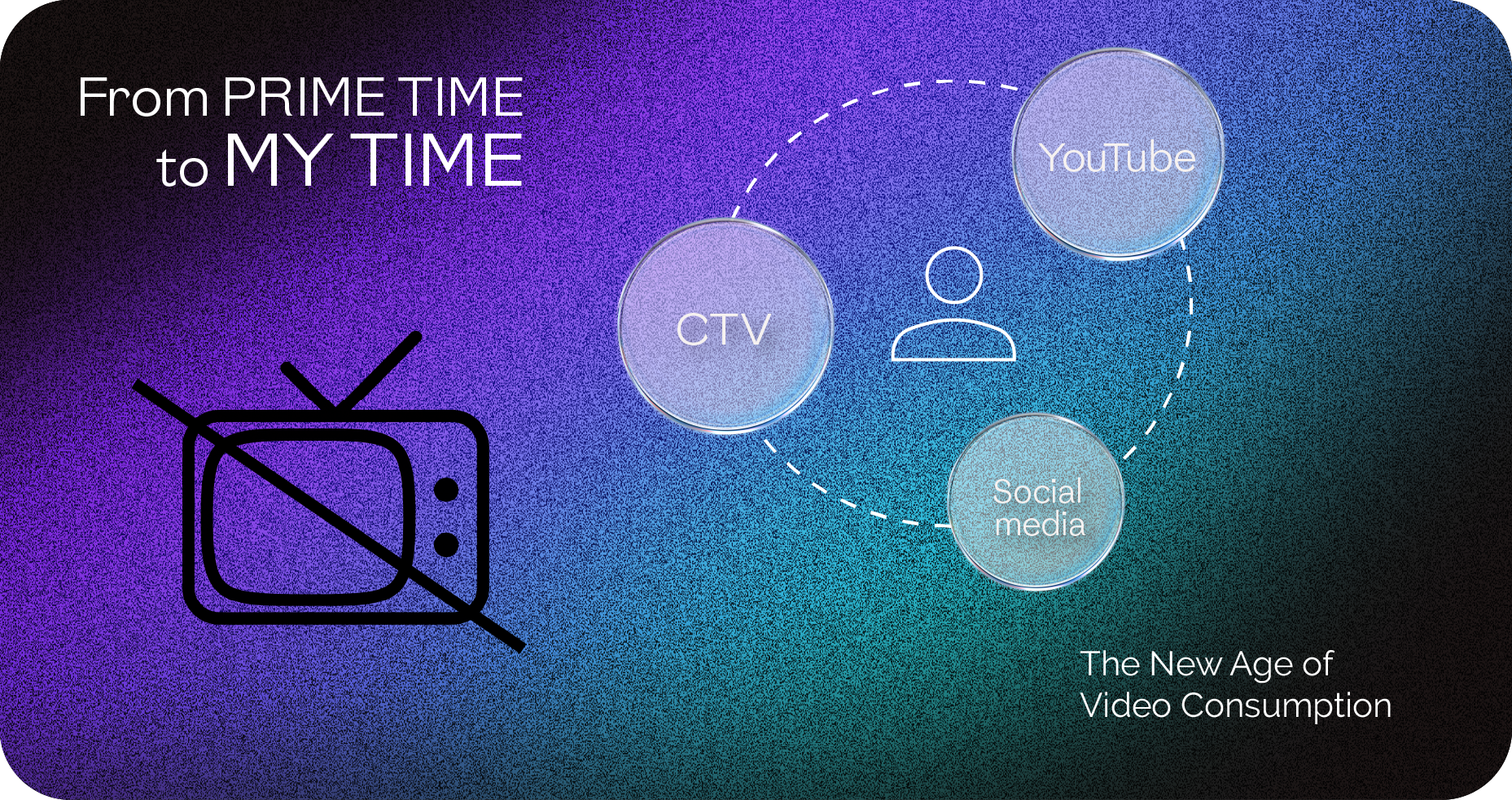
1. From Prime Time to My Time: The New Age of Video Consumption
- Connected TV + Streaming Rise: Argentina’s record-high smart TV adoption, signaling the TV's digital evolution, streaming and connected TV formats now reshape “prime time” around viewer habits, not schedules.
- Multi‑platform engagement: 76% consume linear TV, 58% combine it with streaming, 41% add internet TV, and 40% layer online video showing audiences are active across four platforms at the same time on average.
- YouTube video consumption surge: From 2024 to 2025, lengthy video consumption among youth moved from 58% to 79%, driven by streaming channels.
These changes in video viewing habits are forcing us to rethink our paid media strategies, focusing on a combination of CTV, YouTube, and social media to reach audiences where they truly are.

Paid campaigns should be clickable, shoppable, and integrated within social and streaming platforms to capture impulsive and discovery-based purchasing behaviors.
2. AI in Digital Advertising: Efficiency, Personalization, and Performance
Artificial intelligence is transforming digital advertising by enabling more efficient, personalized, and results-driven campaigns. Here are its main advantages:
- Smart Automation AI optimizes bidding, audience targeting, and ad creatives in real time, reducing manual intervention and improving return on investment. Tools like Google Smart Bidding and Meta Ads are leading examples.
- Precise Targeting and Advanced Personalization By analyzing large volumes of data, AI can identify specific audiences based on their behavior and interests, delivering more relevant and effective ads.
- Dynamic Content Creation AI supports the generation of personalized ads that automatically adapt to each user, enhancing emotional connection and increasing conversion rates.
- Predictive Analytics for Better Decision-Making AI algorithms can forecast campaign performance before launch, allowing marketers to adjust strategies proactively for maximum impact.
- Enhanced Performance Measurement AI improves accuracy in conversion tracking, detects fraudulent interactions, and automatically adjusts campaigns in real time for greater efficiency and transparency.
This comprehensive approach makes AI an essential tool for any future-focused digital marketing strategy.
3. Shop-Entertainment: Content Meets Commerce
Paid media is evolving: transactional ads and immersive storytelling converge. The blend of content and commerce is reshaping the way people consume. Platforms like TikTok, Twitch and Instagram offer experiences that simultaneously inform, entertain, and drive purchases.
- TikTok as search: For Gen Z, it's the primary search engine (40%), surpassing Google (28%) and Instagram (19%)
- In-app buying: 60% of TikTok and Instagram users in Argentina purchased without leaving the app
Implication: Paid campaigns should be clickable, shoppable, and integrated within social and streaming platforms to capture impulsive and discovery-based purchasing behaviors.
4. Influencer Marketing + Paid Media: A Winning Formula for ROI
Influencer marketing remains pivotal. Global investment could reach US $1.8 trillion by 2029 , while Latin America leads with niche-targeted campaigns.
Influencer campaigns have become a powerful marketing tool thanks to the credibility and closeness these creators share with their audiences. Their ability to build trust and authentic connections makes their content highly effective. However, the organic reach of influencer posts is often limited.
That’s why more and more brands are choosing to amplify this type of content through paid media. Promoting influencer-generated content not only increases visibility but also helps reach new strategic audiences, strengthen brand awareness, and significantly improve return on investment (ROI).
Combining influencer marketing with paid media is no longer just a trend, it’s a smart way to merge authenticity with scalable reach, achieving a much greater impact on target audiences.
5. Digital Investment Outpacing Traditional Channels
As advertising budgets increasingly shift toward digital channels, the challenge lies in designing highly effective media plans that cover the entire digital ecosystem. This includes search engines, social media, connected TV, streaming platforms, and e-commerce environments.
- Digital media share rising: While TV leading share remains, digital formats are gaining rapidly through targeted spending
- Regional digital leadership: LATAM, and particularly Argentina, leads regional digital ad growth; 96% monthly video consumption, 67% CTV penetration, 48% have paid streaming subscriptions
In this new landscape, the key is to understand consumer behavior within each of these spaces, leverage the potential of technology, and develop integrated paid media strategies that maximize the return on every investment.
Digital media continues its rapid evolution.
To stay competitive, brands must move beyond siloed strategies and embrace a fully integrated approach, leveraging AI for smarter decision-making, combining influencer authenticity with paid amplification, and reaching audiences across the platforms they truly engage with. Paid media is no longer just about visibility; it's about delivering relevant, dynamic experiences at the intersection of content, technology, and culture.
Now is the time to reevaluate your media mix, rethink your creative formats, and realign your strategies with how people actually consume, interact, and shop in today’s digital-first world.